
Intermediate
API-Q2
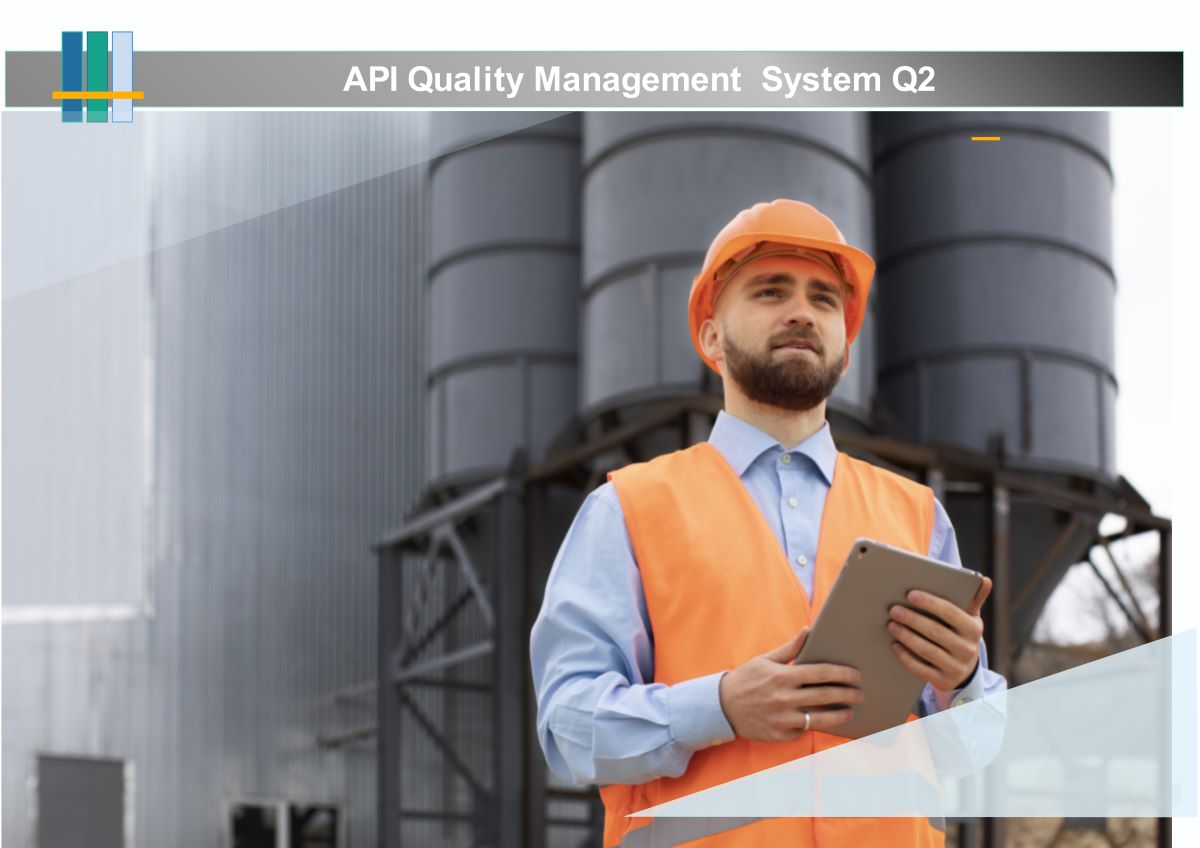
API Q2 Quality Management System

- 18h Duration
- Introduction to API Q2
- Objective: Understand the purpose and scope of API Q2 in the oil and gas industry.
- Topics:
- Overview of API Q2
- Importance of API Q2 for service providers in the oil and gas sector
- How API Q2 aligns with international standards (ISO, ASQ, etc.)
- Key differences between API Q2 and other QMS standards
- Benefits of API Q2 Certification
- Key Principles of API Q2
- Objective: Learn the guiding principles and core elements of the API Q2 standard.
- Topics:
- Focus on customer satisfaction and quality
- Risk-based thinking and continuous improvement
- Employee competence and training requirements
- Documented processes and record management
- Supplier and subcontractor management
- Structure of API Q2 Quality Management System
- Objective: Understand the organizational structure and required processes for implementing a QMS as per API Q2.
- Topics:
- Quality Management System Framework
- Structure of API Q2:
- Context of the organization
- Leadership and commitment
- Planning
- Support (resources, competence, infrastructure)
- Operations (execution of service delivery)
- Performance evaluation (monitoring, measurement, internal audits)
- Improvement (corrective actions, non-conformity management)
- Relationship with ISO 9001 and other industry standards
- Leadership and Commitment in QMS
- Objective: Explore the role of leadership in developing and maintaining an effective quality management system.
- Topics:
- Top management responsibilities and roles
- Setting the quality policy and objectives
- Resource allocation for QMS implementation
- Establishing a culture of quality across the organization
- Accountability for quality and risk management
- Risk Management in API Q2
- Objective: Learn how to incorporate risk management into QMS processes.
- Topics:
- Risk-based thinking in API Q2
- Risk assessment techniques (e.g., FMEA, risk matrices)
- Identifying and evaluating potential risks in processes
- Managing risks related to service delivery and equipment
- Mitigating risks associated with suppliers and subcontractors
- Competence and Training Requirements
- Objective: Understand the importance of competence and how to meet training requirements for API Q2.
- Topics:
- Personnel competency requirements
- Qualification and training of employees
- Ensuring personnel have the necessary skills for quality assurance and service delivery
- Ongoing competency development (internal audits, refresher courses, etc.)
- Supplier and Subcontractor Management
- Objective: Gain insights into managing suppliers and subcontractors under API Q2.
- Topics:
- Supplier selection and evaluation criteria
- Ongoing supplier performance monitoring
- Ensuring subcontractor compliance with API Q2 requirements
- Managing outsourced services and subcontracted work
- Building long-term relationships with key suppliers
- Documentation and Record Management
- Objective: Learn the documentation requirements and best practices for API Q2 compliance.
- Topics:
- Key documents required for API Q2 (Quality Manual, Procedures, Work Instructions)
- Record management requirements (ensuring traceability and evidence of compliance)
- Document control procedures (approval, revision, distribution)
- Maintaining historical data for audits and evaluations
- Service Delivery and Operational Control
- Objective: Understand how to control service delivery and ensure it aligns with API Q2 quality standards.
- Topics:
- Process management and operational control in service delivery
- Planning and controlling service processes (e.g., procurement, installation, commissioning)
- Monitoring performance and addressing non-conformities
- Managing service delivery failures and implementing corrective actions
- Internal Audits and Performance Evaluation
- Objective: Learn how to evaluate and assess the effectiveness of your QMS.
- Topics:
- Conducting internal audits in line with API Q2 requirements
- Audit processes and documentation
- Corrective and preventive actions (CAPA) based on audit findings
- Measuring the effectiveness of the QMS (Key Performance Indicators, audits, etc.)
- Review of audit results with management and stakeholders
- Non-Conformance and Corrective Action
- Objective: Understand how to manage non-conformities and implement corrective actions.
- Topics:
- Identifying and documenting non-conformities
- Root cause analysis (Fishbone diagram, 5 Whys, etc.)
- Developing corrective and preventive action plans (CAPA)
- Tracking the effectiveness of corrective actions
- Preventing recurrence of non-conformities
- Continuous Improvement and API Q2
- Objective: Emphasize the need for continuous improvement in quality management.
- Topics:
- Establishing a culture of continuous improvement
- Tools and techniques for improvement (Kaizen, Six Sigma, PDCA cycle)
- Monitoring key performance metrics for quality and efficiency
- Corrective actions and their role in improvement
- Feedback loops and improvement from customer satisfaction surveys
Want to submit a review? Login