
Intermediate
CIFSA
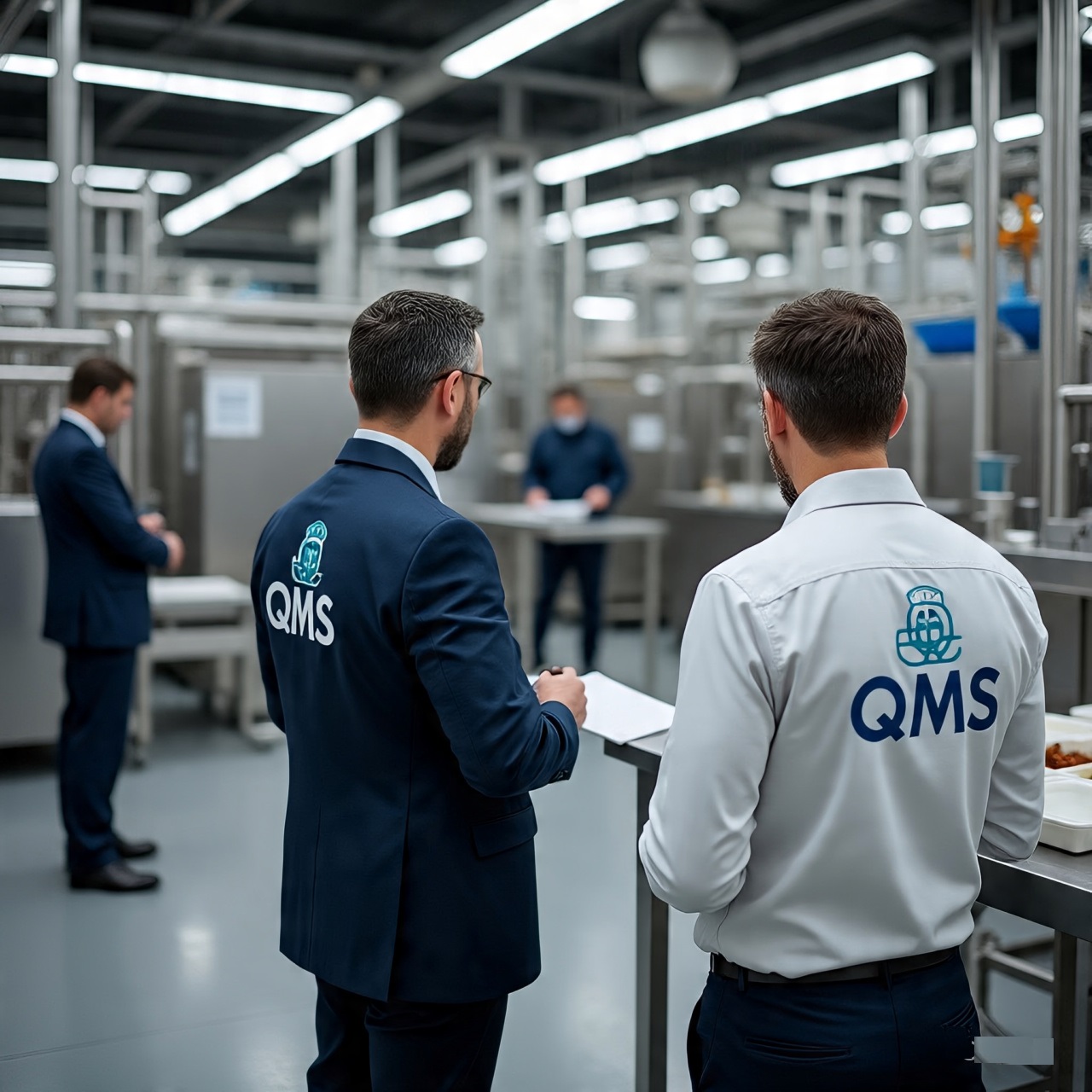
ISO 22000-Certified Internal Food Safety Auditor

- 14h Duration
- Introduction to Food Safety Management
- Importance of food safety in organizations and public health
- Overview of ISO 22000:2018 and its benefits
- Key concepts: FSMS, hazards, and risk management
- Overview of ISO 22000:2018 Standard
- Structure of the standard (High-Level Structure – Annex SL)
- Key terms and definitions
- Plan–Do–Check–Act (PDCA) approach for FSMS
- Risk-based thinking in food safety management
- FSMS Requirements
- Context of the organization (Clause 4)
- Leadership and commitment (Clause 5)
- Planning (Clause 6)
- Support and operation (Clauses 7–8)
- Performance evaluation and improvement (Clauses 9–10)
- Food Safety Hazard Analysis
- Understanding Hazard Analysis and Critical Control Points (HACCP)
- Identifying biological, chemical, and physical hazards
- Determining critical control points (CCPs)
- Establishing monitoring and verification procedures
- Introduction to Auditing Concepts
- Principles and types of audits: internal, second-party, third-party
- Auditor roles, responsibilities, and ethics
- Audit scope, criteria, and objective evidence
- Overview of ISO 19011:2018 Guidelines for Auditing Management Systems
- Internal Audit Planning
- Preparing the audit program
- Developing audit plans and checklists
- Document review and sampling techniques
- Planning audits for FSMS processes
- Conducting the Internal Audit
- Opening meeting and interview techniques
- Collecting and verifying evidence for food safety compliance
- Evaluating processes, control measures, and risk management
- Identifying nonconformities, observations, and opportunities for improvement
- Audit Reporting and Follow-Up
- Preparing audit findings and reports
- Communicating results to management
- Root cause analysis for food safety nonconformities
- Corrective actions and follow-up audits
- Auditor Skills Development
- Effective communication and professional behavior
- Handling audit challenges
- Best practices for auditing food safety processes
- Practical Exercises and Case Studies
- FSMS audit simulations
- Writing nonconformity reports
- Hazard identification and CCP evaluation exercises
- Reporting and recommendations workshop
Want to submit a review? Login